Star Warts: The Umpire Strikes Back is a hilarious musical comedy that parodies Star Wars, blending witty humor, catchy songs, and a quirky intergalactic adventure․
1․1 Overview of the Play
Star Warts: The Umpire Strikes Back is a musical comedy that parodies the Star Wars saga, blending humor, adventure, and catchy songs․ Written by Craig Hawes, the play follows a quirky cast of characters in an intergalactic battle against the Umpire․ With a script packed with puns and witty dialogues, it combines lighthearted fun with a structured narrative․ The play is designed for school productions, offering a fun and engaging experience for both performers and audiences․ Its popularity stems from its unique blend of humor and creativity․
1․2 Historical Context and Background
Star Warts: The Umpire Strikes Back was created by Craig Hawes as a comedic parody of the Star Wars saga․ The play blends humor, puns, and catchy songs to create a unique theatrical experience․ Designed for school productions, it offers a lighthearted take on intergalactic adventures․ The script, available in digital formats, has become popular for its accessibility and engaging storyline․ Its success lies in its ability to entertain both children and adults while maintaining a fun, educational value for young performers․
Background Information
Star Warts: The Umpire Strikes Back is a musical comedy created by Craig Hawes, blending humor, puns, and intergalactic adventures․ It is widely used in school productions;
2․1 The Creator: Craig Hawes
Craig Hawes is a renowned playwright and composer, celebrated for his humorous and engaging musicals․ Known for blending comedy with education, his works are popular in schools worldwide․ Star Warts: The Umpire Strikes Back showcases his talent for crafting witty scripts and memorable songs․ Hawes’ ability to merge entertainment with learning has made his plays a staple in educational theater, fostering creativity and teamwork among students and educators alike․
2․2 Inspiration Behind the Play
Star Warts: The Umpire Strikes Back draws inspiration from the iconic Star Wars saga, reimagining it with a comedic twist․ The play cleverly parodies the epic space adventure, infusing it with humor, puns, and lighthearted fun․ Craig Hawes crafted the story to appeal to both children and adults, blending intergalactic themes with relatable school production elements․ The inspiration also lies in creating an engaging, educational experience, making it a favorite for school theaters seeking entertaining yet enriching performances․
2․3 Genre and Style
Star Warts: The Umpire Strikes Back is a musical comedy that masterfully blends parody, humor, and intergalactic adventure․ The play’s style is characterized by witty puns, catchy songs, and a lighthearted tone, making it accessible to all ages․ Its comedic approach to a Star Wars-inspired narrative creates a unique entertainment experience․ The script’s structure is designed for school productions, balancing humor with educational value, ensuring it appeals to both young performers and audiences alike․ This mix of humor and creativity makes it a standout in musical theater for schools․
Main Characters and Roles
Star Warts: The Umpire Strikes Back features a diverse cast of quirky characters, including heroes, rebels, and comedic antagonists, each with distinct roles and personalities․
3․1 Protagonists
The protagonists of Star Warts: The Umpire Strikes Back are a lively group of heroes, including Toby and Nebula, who embark on a mission to defeat the Umpire․ These characters are central to the story, showcasing bravery, humor, and determination․ Their interactions drive the plot forward, blending comedy with adventure․ The protagonists’ dynamic personalities and witty dialogues make them memorable and engaging for audiences of all ages, ensuring their roles are pivotal in the play’s success and entertainment value․
3․2 Antagonists
The primary antagonist, the Umpire, is a comical yet formidable villain, parodying iconic Star Wars characters like Darth Vader․ With his intimidating presence and humorous quirks, the Umpire serves as the central conflict driver․ Other antagonists, such as bumbling Stormtroopers, add comedic relief while opposing the protagonists․ These characters balance humor with villainy, creating an entertaining dynamic that keeps audiences engaged and laughing throughout the play․
3․3 Supporting Characters
The supporting characters in Star Warts: The Umpire Strikes Back add depth and humor to the story․ Characters like Nebula and Toby provide comedic relief and assist the protagonists in their quest․ These roles are designed to be memorable, with unique personalities that enhance the play’s parody of Star Wars․ Their interactions with the main cast create a dynamic and engaging narrative, making the musical entertaining for both children and adults․ The supporting characters are essential to the play’s success, offering laughs and advancing the plot in creative ways․

Script Overview
Star Warts: The Umpire Strikes Back features a pun-packed script with a clear structure, blending humor and intergalactic adventure․ Its witty dialogue and comedic scenes captivate audiences of all ages․
4․1 Structure of the Script
The script of Star Warts: The Umpire Strikes Back is divided into nine scenes, each advancing the intergalactic comedy․ It follows a clear three-act structure, with Act 1 introducing the quirky characters and conflict, Act 2 developing the battle against the Umpire, and Act 3 resolving the rebellion․ The dialogue is fast-paced and filled with puns, while the scenes transition smoothly to maintain comedic momentum․ Key scenes, like the showdown with the Umpire, are highlighted with humorous twists and audience-pleasing moments, ensuring an engaging and entertaining flow throughout the play․
4․2 Key Scenes and Dialogues
The script features memorable scenes, such as the opening rebellion meeting and the final showdown with the Umpire․ Dialogues are packed with witty banter and puns, like Toby and Nebula’s exchange about fighting the Umpire․ These interactions highlight the play’s comedic charm and keep audiences engaged․ Key dialogues often revolve around the rebels’ quirky strategies and the Umpire’s over-the-top villainy, ensuring laughter and entertainment throughout the performance․
4․3 Humor and Puns in the Script

The script is renowned for its clever wordplay and comedic twists, making it a joy for audiences of all ages․ Puns and witty one-liners are woven throughout the dialogue, creating a lighthearted and entertaining atmosphere․ Characters like Toby and Nebula deliver humorous exchanges that highlight the play’s comedic genius․ The humor is balanced with pop culture references, ensuring the script remains engaging and relatable․ This blend of satire and fun makes Star Warts: The Umpire Strikes Back a standout musical comedy․

Songs and Music
Star Warts: The Umpire Strikes Back features nine spectacular songs, each catchy and memorable, blending humor with melody to enhance the play’s comedic and intergalactic charm․
5․1 Role of Music in the Play
Music plays a pivotal role in Star Warts: The Umpire Strikes Back, serving as both narrative driver and emotional enhancer․ The nine original songs are integral to advancing the plot, revealing character traits, and setting the comedic tone․ Each melody is crafted to resonate with audiences, making the musical memorable and engaging․ The interplay between lyrics and dialogue ensures a seamless blend of storytelling and entertainment, while the catchy tunes enhance the overall theatrical experience, making music a cornerstone of the production’s success․
5․2 Notable Songs from the Musical
The musical features nine spectacular songs that captivate audiences with their catchy melodies and witty lyrics․ Tracks like “The Umpire Strikes Back” and “Star Warts” stand out, blending humor with intergalactic themes․ These songs not only advance the plot but also highlight the quirky personalities of the characters․ Their memorable tunes and comedic twists make them fan favorites, ensuring the musical’s appeal to both children and adults․ The songs are integral to the play’s charm, enhancing its theatrical and entertaining experience․
5․3 Style and Composition
The musical’s style blends orchestral elements with catchy pop melodies, creating a vibrant and engaging soundtrack․ Composed by Craig Hawes, the score is designed to complement the play’s humor and narrative, with each song crafted to reflect the quirky personalities of the characters․ The composition balances complexity with accessibility, making it appealing to both children and adults․ The use of rhythmic patterns and lyrical wordplay enhances the comedic elements, while the orchestration adds depth to the intergalactic theme, ensuring a memorable theatrical experience․
Production Requirements
Stage design should reflect the play’s intergalactic theme, with minimalistic sets adaptable to school stages․ Costumes and props emphasize quirky character traits, while technical needs balance simplicity with creative effects․
6․1 Stage Design and Setup
The stage design for Star Warts: The Umpire Strikes Back should reflect its intergalactic parody theme․ A minimalistic approach with adaptable backdrops, such as starry skies or spaceship interiors, is ideal․ The setup should allow for quick scene transitions, using sliding panels or modular pieces․ Lighting plays a key role in creating dramatic effects, like laser battles or cosmic phenomena․ Incorporate humorous props and set pieces, such as oversized lightsabers or comedic alien environments, to enhance the play’s comedic tone․ Ensure the design is versatile for school stages, balancing creativity with practicality․
6․2 Costumes and Props
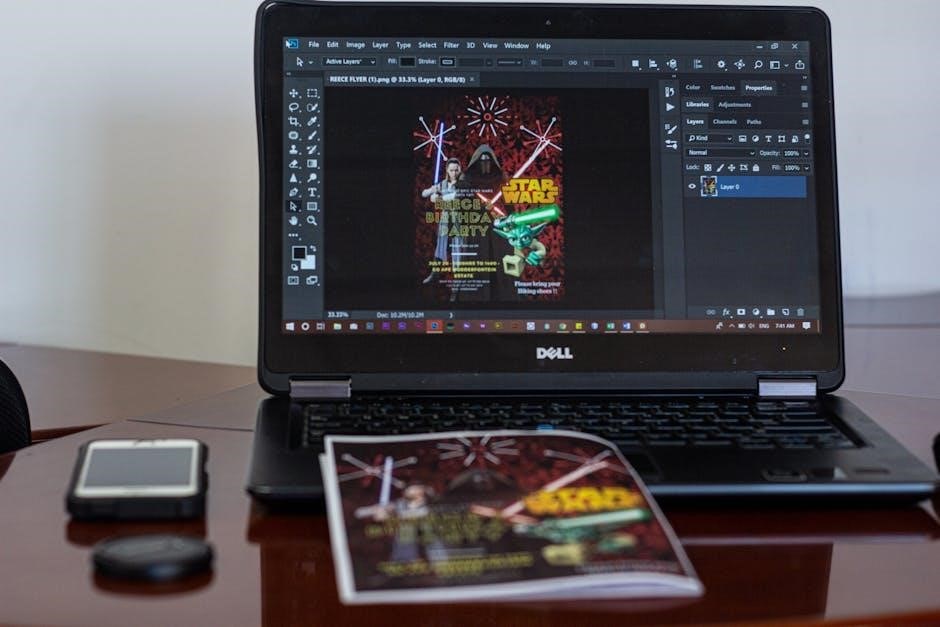
The costumes for Star Warts: The Umpire Strikes Back should be colorful and quirky, reflecting the play’s comedic and intergalactic theme․ Characters like the Umpire, rebels, and aliens require distinctive outfits that blend humor with sci-fi elements․ Props such as oversized lightsabers, blasters, and comedic alien accessories are essential for enhancing the parody․ Simple, adaptable pieces allow for easy transitions between scenes․ The costumes and props should be creative yet practical, ensuring they are manageable for school productions while maintaining the play’s humorous and playful vibe․
6․3 Technical Needs
The production requires basic technical elements to enhance its comedic and intergalactic themes․ A sound system is essential for music and dialogue clarity, while lighting should create dynamic scene transitions․ Special effects, such as flashlights for “blasters” or simple pyrotechnics, can add humor and excitement․ Backstage organization is crucial for quick costume changes and prop management․ Ensure the stage has wings or storage areas for seamless transitions․ These technical aspects will help bring the play’s witty humor and sci-fi parody to life effectively․
Reception and Impact
Star Warts: The Umpire Strikes Back has delighted audiences with its witty humor and catchy songs, becoming a favorite among both children and adults․ Its unique blend of parody and originality has made it a standout production, leaving a lasting impression on viewers and inspiring creativity in school performances and community theater groups․
7․1 Audience Response
Audiences have embraced Star Warts: The Umpire Strikes Back with enthusiasm, praising its clever wordplay, engaging storyline, and memorable characters․ The musical’s ability to appeal to both children and adults has made it a crowd favorite, with many praising its light-hearted humor and catchy tunes․ Schools and community theaters have reported high audience engagement, with the play often receiving standing ovations․ Its universal appeal has solidified its place as a beloved production, making it a joy for performers and spectators alike․
7․2 Critical Reviews
Star Warts: The Umpire Strikes Back has received widespread critical acclaim for its witty script, clever puns, and infectious musical numbers․ Critics praise its ability to parody Star Wars while maintaining originality and charm․ The play’s humor and heart have been highlighted, with many noting its appeal to both children and adults․ Reviewers also commend the simplicity of its production requirements, making it accessible for schools and amateur groups․ Its blend of comedy and music has solidified its reputation as a delightful and entertaining production․
7․3 Cultural Impact
Star Warts: The Umpire Strikes Back has left a lasting cultural impact, particularly in educational theater․ Its unique blend of humor and creativity has inspired countless school productions, fostering a love for the arts in young performers․ The play’s popularity has also led to a dedicated fan base, with audiences appreciating its clever parody of Star Wars․ Its accessibility and engaging storyline have made it a staple in community theater, promoting cultural engagement and creativity on a wide scale․
Educational Value
Star Warts: The Umpire Strikes Back is widely used in schools, fostering creativity, teamwork, and confidence․ Its engaging storyline and humor make it an excellent tool for curriculum integration, helping students develop theatrical and interpersonal skills while aligning with educational goals․
8․1 Use in School Productions
Star Warts: The Umpire Strikes Back is a popular choice for school productions due to its engaging storyline, humor, and manageable cast size․ The script is designed to be accessible for students, with roles for all skill levels, making it ideal for involving large groups․ Its mix of comedy, music, and intergalactic adventure captivates young audiences and encourages participation․ Schools often praise its ability to promote teamwork, creativity, and confidence among students while aligning with curriculum goals for drama and performance arts․
8․2 Skill Development for Students
Star Warts: The Umpire Strikes Back fosters essential life skills in students, including teamwork, creativity, and confidence․ The script encourages collaboration during rehearsals, while its humor and puns spark imaginative thinking․ Students develop public speaking and acting abilities through diverse character roles․ The musical elements enhance vocal and rhythmic skills, making it a holistic learning experience․ Participating in the play also teaches problem-solving and adaptability, as students navigate challenges in production․ These skills are invaluable for personal and academic growth, making the play a rewarding experience for young performers․
8․3 Curriculum Integration
Star Warts: The Umpire Strikes Back seamlessly integrates into school curricula, offering cross-disciplinary learning opportunities․ The script aligns with drama, English, and music education standards, fostering creativity and critical thinking․ Students analyze characters, dialogue, and themes, enhancing literacy skills․ The musical elements support music education, teaching rhythm, melody, and performance techniques․ Additionally, the play’s humor and puns encourage language play, while its collaborative nature promotes teamwork and problem-solving․ This makes it a versatile tool for educators seeking to enrich student learning across multiple subjects․

Availability and Access
The full script of Star Warts: The Umpire Strikes Back is available online through educational publishers and drama resources․ Schools can access it for productions․
9․1 Where to Find the Full Script
The full script of Star Warts: The Umpire Strikes Back can be accessed through educational publishers and drama resource websites․ Schools and drama groups often purchase scripts directly from the publisher or authorized distributors․ Additionally, some platforms offer digital versions for convenient access․ Ensure you obtain the script legally, as licensing is required for performances․ Contacting the publisher or visiting their official website is the best way to acquire the script for production purposes․
9․2 Licensing and Permissions
Obtaining the proper licensing and permissions is essential for staging Star Warts: The Umpire Strikes Back․ Schools and drama groups must purchase performance rights from the publisher or authorized distributors․ Licensing ensures copyright compliance and supports the creators․ Unauthorized use of the script or music is illegal and can result in penalties․ Always verify the terms of your license, as they may include restrictions on modifications or recordings․ Proper licensing also guarantees access to the full script and musical scores for your production needs․
9․3 Digital Resources
Digital resources for Star Warts: The Umpire Strikes Back are widely available, offering convenience for schools and drama groups․ The full script in PDF format can be purchased from authorized publishers or online marketplaces․ Additional digital materials may include backing tracks, sheet music, and production guides․ These resources often come with flexible licensing options, allowing easy access for rehearsals and performances․ Ensure to purchase from reputable sources to avoid unauthorized versions․ Digital resources simplify preparation and enhance the production experience for both staff and students․
Star Warts: The Umpire Strikes Back is a delightful parody that combines humor, music, and adventure, making it a hit for schools and audiences alike․ Its educational value and accessibility ensure its continued popularity in future productions․
10․1 Final Thoughts

Star Warts: The Umpire Strikes Back is a delightful parody that masterfully blends humor, adventure, and music, making it a standout choice for school productions․ Its witty script, catchy songs, and quirky characters ensure a memorable experience for both performers and audiences․ The play’s accessibility and educational value make it a favorite for schools, while its intergalactic theme and pun-filled dialogue appeal to all ages․ This musical comedy is not only entertaining but also a valuable tool for fostering creativity and teamwork in young performers․
10․2 Future Prospects
Star Warts: The Umpire Strikes Back has a bright future ahead, with its universal appeal and adaptability making it a timeless choice for schools and theaters․ Its blend of humor, music, and intergalactic adventure ensures continued popularity․ As educators seek engaging, curriculum-friendly productions, this play will remain a top pick․ Its ability to inspire creativity and teamwork in young performers guarantees its lasting impact․ With its catchy songs and witty dialogue, it will continue to entertain audiences and foster a love for theater in future generations․